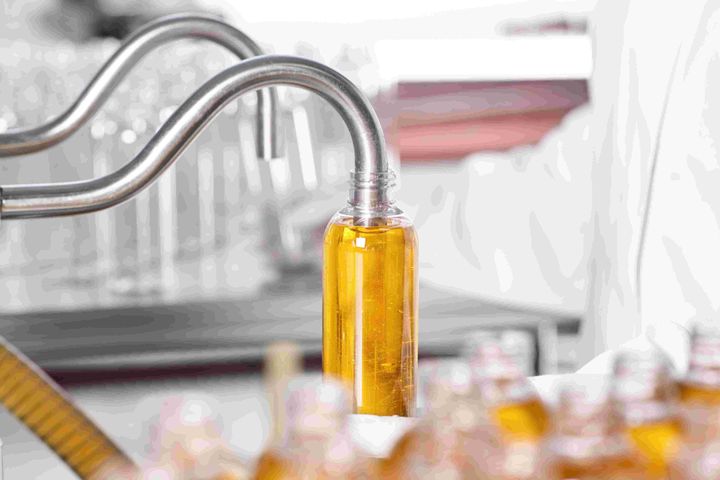
Explore Oil Filtering Machines: Basics, Explanation, and Key Information
Oil filtering machines are industrial systems designed to remove contaminants from oils used in machinery, power equipment, and process systems. These machines exist because oils degrade over time due to heat, moisture, metal particles, sludge, and chemical reactions. When oil quality drops, it can reduce lubrication efficiency, affect insulation properties, and increase wear on components.
Across industries such as manufacturing, power generation, automotive maintenance, hydraulics, and energy infrastructure, oil plays a critical role in transferring heat, reducing friction, and protecting internal parts. Oil filtration technology emerged to maintain oil cleanliness, extend oil usability, and ensure stable machine operation without frequent oil replacement.
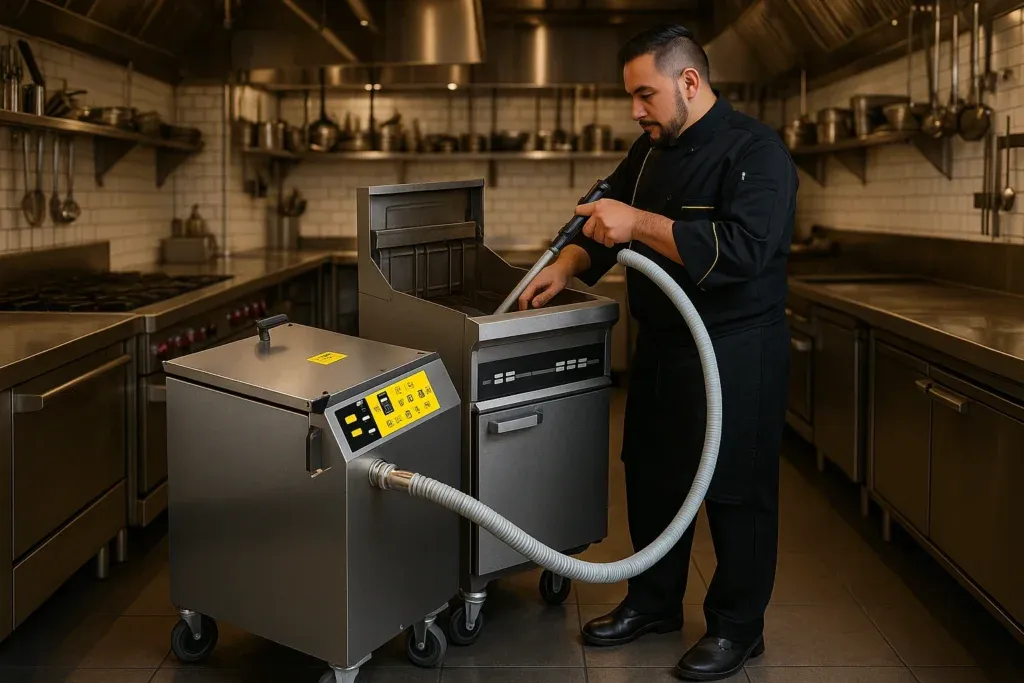
Modern oil filtration equipment ranges from portable filtration units to large, fixed oil purification systems. They are commonly applied to hydraulic oil, transformer oil, turbine oil, gear oil, and lubrication oil, each with specific filtration and purification requirements.
Importance: Why Oil Filtering Machines Matter
Oil filtering machines are important because they directly influence equipment reliability, operational continuity, and environmental safety. Contaminated oil can cause overheating, corrosion, pressure loss, and unexpected equipment downtime.
Key reasons this topic matters today include:
-
Increased use of complex machinery requiring clean and stable oil
-
Growing focus on equipment lifespan optimization
-
Need to control moisture and particulate contamination in critical systems
-
Emphasis on preventive maintenance strategies
Industries and professionals affected by oil filtration technology include plant operators, maintenance engineers, energy utilities, infrastructure managers, and industrial safety teams. These machines help solve common problems such as oil oxidation, varnish formation, moisture ingress, and solid particle buildup.
Below is a simplified comparison of oil condition before and after filtration:
| Parameter | Contaminated Oil | Filtered Oil |
|---|---|---|
| Particle count | High | Controlled |
| Moisture content | Elevated | Reduced |
| Oxidation stability | Low | Improved |
| Equipment efficiency | Inconsistent | Stable |
Recent Updates: Trends and Developments
Oil filtration technology has seen steady improvements in efficiency, monitoring, and adaptability. One major trend is the integration of advanced filtration media that can capture finer particles without reducing flow rate. Another development is the increased use of vacuum dehydration systems for oils exposed to moisture and gases.
Condition-based monitoring has also influenced oil filtration practices. Sensors and oil analysis tools are now more commonly paired with filtration systems to track contamination levels in real time. This allows filtration cycles to be adjusted based on oil condition rather than fixed schedules.
There is also growing attention toward modular oil purification systems that can be adapted across different oil types. Compact and mobile oil filtration units are increasingly used in facilities where space and flexibility are priorities.
A simple representation of filtration focus areas is shown below:
| Filtration Focus | Primary Purpose |
|---|---|
| Particle filtration | Reduce abrasive wear |
| Moisture removal | Prevent corrosion |
| Gas removal | Improve insulation stability |
| Sludge separation | Maintain oil flow properties |
Laws or Policies: Regulatory Influence on Oil Filtration
Oil filtering machines are influenced by general industrial standards, environmental guidelines, and workplace safety regulations. These frameworks typically focus on safe equipment operation, proper handling of industrial fluids, and prevention of environmental contamination.
Regulatory expectations often emphasize:
-
Control of oil leaks and disposal risks
-
Maintenance of equipment operating within safe parameters
-
Reduction of hazardous emissions from degraded oils
-
Documentation of maintenance and oil condition monitoring
While specific rules vary by region and sector, oil filtration systems are commonly aligned with broader industrial compliance practices related to machinery safety, environmental protection, and quality management systems.
Tools and Resources: Supporting Oil Filtration Practices
Several tools and resources help users understand, monitor, and manage oil filtration processes effectively. These resources support informed decision-making without promoting commercial services.
Helpful resources include:
-
Oil analysis reports and interpretation guides
-
Particle count and moisture measurement charts
-
Filtration efficiency calculators for micron ratings
-
Maintenance scheduling templates
-
Technical reference documents on hydraulic oil filtration systems
-
Educational portals explaining transformer oil purification methods
Below is an example of a basic oil condition tracking table used in maintenance planning:
| Test Parameter | Acceptable Range | Action Indicator |
|---|---|---|
| ISO cleanliness | Within limits | Continue use |
| Water content | Below threshold | Monitor |
| Acid number | Stable | Recheck later |
FAQs: Common Questions About Oil Filtering Machines
What types of oils can be filtered using these machines?
Oil filtering machines can be used for hydraulic oil, transformer oil, turbine oil, gear oil, and lubrication oil, depending on machine design and filtration stages.
How do oil filtering machines remove moisture?
Moisture is removed through methods such as vacuum dehydration, coalescence, or absorption, which separate water from oil without altering oil properties.
Is oil filtration the same as oil purification?
Oil filtration generally focuses on removing solid particles, while oil purification also targets moisture, gases, and chemical degradation byproducts.
How often should oil filtration be performed?
Frequency depends on operating conditions, contamination levels, and oil analysis results. Many systems rely on condition-based monitoring rather than fixed intervals.
Do oil filtering machines affect oil performance?
Proper filtration improves oil performance by restoring cleanliness and stability, helping oil maintain its intended lubricating and insulating functions.
Conclusion
Oil filtering machines play a vital role in maintaining oil quality across industrial and technical applications. By removing contaminants, moisture, and degradation byproducts, these machines support reliable equipment operation and long-term system stability.
As machinery becomes more advanced and operational demands increase, oil filtration remains a foundational practice in preventive maintenance and asset management. Understanding how oil filtering machines work, why they matter, and how they are supported by tools and standards helps organizations maintain efficient and responsible operations.