Exploring Smart Parking Technology: Essential Basics, Knowledge & Useful Information
Smart parking technology refers to digital solutions designed to make vehicle parking easier, faster, and more organised using tools such as IoT parking sensors, automated parking management systems, cloud platforms, and real-time monitoring dashboards. These technologies exist because traditional parking methods often lead to time loss, traffic congestion, and inefficient space usage in cities.
Urban mobility has changed significantly with the rise of connected systems. Growing vehicle numbers, limited land space, and increasing urban density have pushed cities to adopt digital parking analytics and intelligent transport systems. Smart parking uses technologies such as:
-
Internet of Things (IoT) sensors
-
AI-based parking guidance
-
License Plate Recognition (LPR)
-
Cloud-based parking management platforms
-
Mobile parking navigation apps
-
Data-driven occupancy prediction
-
RFID and smart access controls
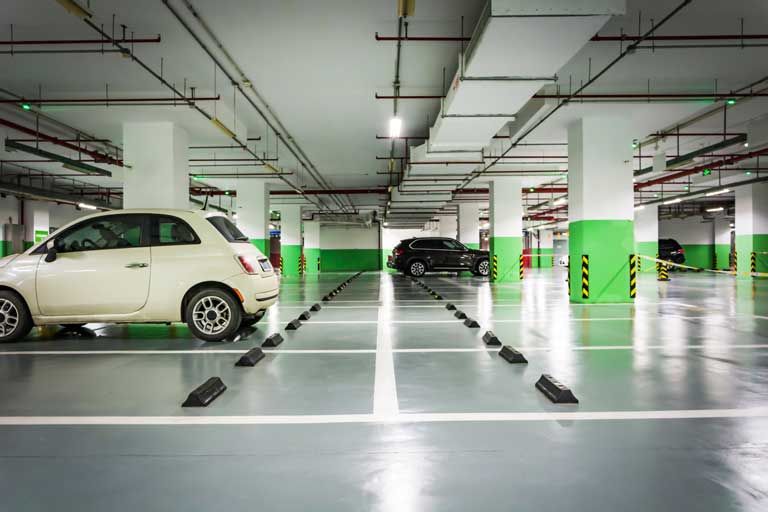
These components work together to help drivers locate available parking spots quickly while allowing authorities and institutions to manage parking spaces more efficiently.
The concept began gaining global attention when smart city initiatives started prioritising digital infrastructure. Today, smart parking is part of broader intelligent mobility planning, improving traffic flow and reducing overall environmental impact.
Importance: Why Smart Parking Matters Today and the Problems It Solves
Smart parking systems are increasingly important due to rapid urbanization, rising vehicle ownership, and increasing interest in sustainable mobility solutions. The technology benefits city planners, everyday commuters, commercial complexes, transportation hubs, and educational campuses.
It helps address several common challenges:
Reduces Traffic Congestion
A significant percentage of urban traffic comes from drivers searching for parking. Real-time parking guidance reduces unnecessary circulation, resulting in smoother traffic flow.
Improves Space Utilization
Many cities struggle with limited parking spaces. Smart parking solutions use digital monitoring to optimize occupancy and prevent underused areas.
Enhances Urban Mobility Planning
Data from parking sensors and digital dashboards helps authorities understand peak usage hours, user patterns, and space demands. This supports long-term transport planning.
Supports Environmental Goals
Reduced traffic movement lowers emissions and fuel usage. This aligns with sustainable mobility and clean city initiatives.
Provides Convenience to Drivers
Real-time updates about available spaces, digital parking notifications, and automated entry-exit flows improve the overall driving experience.
The importance of smart parking is growing worldwide as cities integrate advanced transportation systems, vehicle tracking solutions, and AI-based traffic management tools.
Recent Updates: Trends and Changes in Smart Parking Technology (2024–2025)
The past year has seen several new developments and trends as cities continue modernizing their digital mobility systems. Some of the notable updates include:
AI-powered Parking Prediction (2024–2025)
Between late 2024 and early 2025, many global smart city projects introduced AI models capable of predicting parking occupancy before drivers reach their destination. This uses machine learning and vehicle flow analytics to estimate availability.
Growth of Camera-Based LPR Systems (2024)
License Plate Recognition became more widely adopted in 2024 due to improvements in accuracy and integration with digital payment records, access logs, and automated entry mechanisms.
Rise of Edge-Enabled IoT Parking Sensors (2025)
In early 2025, more cities began deploying edge-computing sensors that process data locally for faster occupancy updates and reduced latency.
Integration with Urban Mobility Hubs (2024–2025)
Public transportation hubs started connecting smart parking systems with electric vehicle charging, digital ticketing, and mobility-as-a-service (MaaS) platforms. This trend has expanded in 2025.
Growing Focus on Data Security in Parking Infrastructure (2024)
With more cloud-connected devices, 2024 introduced heightened regulations and standards for protecting parking data, video feeds, and sensor networks.
These developments reflect the global shift toward digital urban mobility and smarter transport ecosystems.
Laws or Policies: How Smart Parking Is Shaped by Rules and Government Programs
Smart parking technology is influenced by urban development policies, city planning regulations, and digital infrastructure guidelines. While each region differs, common regulatory areas include:
Urban Mobility Policies
Many governments include smart parking in broader smart city missions, urban mobility roadmaps, and intelligent transportation system (ITS) regulations. These policies support:
-
Deployment of IoT sensors
-
Development of digital parking platforms
-
Integration with public transport systems
Data Privacy and Cybersecurity Rules
Smart parking systems collect location data, vehicle movement records, and sensor data. Regulations often require:
-
Secure data storage
-
Access controls
-
Compliance with data protection laws
Municipal Parking Guidelines
Local authorities decide how parking zones are designated, monitored, and managed. Rules may cover:
-
Sensor placement
-
Camera approvals for LPR systems
-
Digital monitoring standards
Environmental and Sustainability Policies
Policies that aim to reduce emissions often promote smart parking due to its ability to lower traffic congestion. Some city programs encourage digital parking systems to support green mobility goals.
These regulatory frameworks ensure that smart parking remains safe, organized, and aligned with long-term city development plans.
Tools and Resources: Helpful Apps, Platforms, and Digital Solutions
Several tools and digital resources support planning, understanding, and using smart parking systems. These include:
Parking Navigation Apps
-
Apps that show real-time parking availability
-
Digital maps with occupancy data
-
Navigation support to nearest space
IoT Parking Management Dashboards
-
Real-time monitoring
-
Occupancy heatmaps
-
Space usage analytics
AI-Based Parking Prediction Tools
-
Forecasting occupancy
-
Identifying high-demand zones
-
Predicting peak hours
GIS and Mapping Platforms
-
Visualizing parking layouts
-
Studying congestion zones
-
Planning future parking infrastructure
Digital Mobility Platforms
-
Integrated transport systems
-
Smart city dashboards
-
Public mobility optimization tools
Parking Policy and Planning Resources
-
Urban planning toolkits
-
Municipal development guidelines
-
Transportation research papers
These tools support both everyday users and planners who aim to improve mobility efficiency.
FAQs
What is smart parking technology?
Smart parking technology uses digital systems such as IoT sensors, AI analytics, and mobile apps to help drivers find parking and help authorities manage spaces efficiently. It provides real-time parking information and improves space utilization.
How do IoT parking sensors work?
IoT sensors detect whether a parking spot is occupied or vacant. They use technologies like magnetic field detection or ultrasonic measurement. This data is sent to a digital platform that displays live availability.
Is smart parking part of smart city development?
Yes. Smart parking is a key component of smart city infrastructure. It supports intelligent transportation systems, improves traffic flow, and contributes to sustainable mobility goals.
What role does AI play in parking systems?
AI analyzes parking patterns, predicts future occupancy, identifies high-demand locations, and improves overall mobility planning. It enhances the accuracy and efficiency of digital parking systems.
Does smart parking reduce environmental impact?
Yes. By lowering the time drivers spend searching for parking, smart systems help reduce traffic congestion and carbon emissions, supporting environmental sustainability initiatives.
Conclusion
Smart parking technology is becoming an essential part of modern urban mobility. It provides a more organized, efficient way to manage parking using IoT sensors, AI-driven analytics, real-time monitoring, and digital dashboards. As cities grow and transportation needs evolve, smart parking plays an important role in reducing congestion, improving driver convenience, and supporting sustainable planning.
Recent advancements—such as AI-assisted guidance, edge-enabled sensors, and integrated mobility platforms—are shaping the future of parking infrastructure. With supportive regulations, privacy safeguards, and emerging smart city initiatives, the technology continues to expand globally.