Learn About Waste Heat Recovery: Explanation, Tips, and Expert Insights
Waste heat recovery is the process of capturing heat that is produced during industrial, commercial, or mechanical operations and reusing it for another purpose instead of letting it escape into the environment. This heat is often released through exhaust gases, hot surfaces, cooling systems, or steam vents during normal operations.
The concept exists because many systems generate far more heat than they actually need. Engines, furnaces, power plants, manufacturing units, and even large buildings lose a significant amount of energy as unused heat. Waste heat recovery focuses on improving energy efficiency by turning this lost heat into a useful resource, such as space heating, water heating, electricity generation, or process preheating.
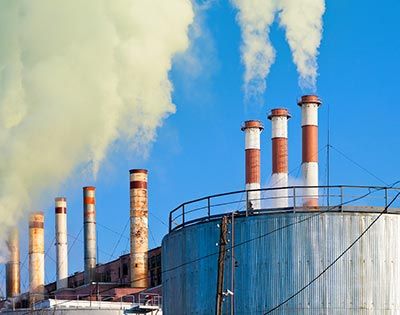
The idea is not new, but it has gained increasing attention as energy efficiency, sustainability, and operational optimization have become central goals across many sectors. By recovering heat that would otherwise be wasted, systems can operate more efficiently and with lower overall energy demand.
Importance of Waste Heat Recovery in Modern Systems
Waste heat recovery matters because it directly addresses the challenge of energy loss. A large portion of energy produced in industrial and mechanical processes never reaches its intended output and is instead lost as heat. Recovering this heat improves overall system performance and resource utilization.
This topic affects a wide range of stakeholders, including industrial operators, infrastructure planners, energy managers, and environmental analysts. It also has indirect benefits for communities by reducing energy demand and improving system efficiency.
Key problems that waste heat recovery helps solve include:
-
High energy losses: Reduces the amount of input energy required for the same output
-
Inefficient processes: Improves thermal efficiency across operations
-
Environmental impact: Lowers excess heat discharge into air and water systems
-
Operational strain: Helps stabilize temperatures in industrial environments
From a broader perspective, waste heat recovery supports long-term energy sustainability by making better use of existing energy rather than relying solely on additional energy generation.
Recent Developments and Industry Trends
Recent developments in waste heat recovery focus on improving adaptability, efficiency, and integration with modern systems. New materials and compact heat exchanger designs have improved heat transfer performance while reducing space requirements.
Key trends observed recently include:
-
Advanced heat exchanger designs that handle higher temperatures and corrosive environments
-
Integration with digital monitoring systems for real-time performance tracking
-
Low-temperature heat recovery technologies that capture heat previously considered unusable
-
Expansion into non-industrial sectors, such as large commercial buildings and data centers
There has also been growing interest in converting recovered heat into electricity using advanced thermodynamic cycles. These systems are designed to operate efficiently even when temperature differences are relatively small.
Another notable development is the integration of waste heat recovery with broader energy management systems, allowing organizations to optimize energy flows across multiple processes rather than treating heat recovery as a standalone solution.
Regulatory Influence and Policy Frameworks
Waste heat recovery is influenced by energy efficiency standards, environmental guidelines, and sustainability frameworks introduced by public authorities. These policies often encourage improved energy utilization and reduced heat emissions without mandating specific technologies.
Common regulatory approaches include:
-
Energy efficiency benchmarks for industrial and commercial systems
-
Environmental performance reporting that includes heat loss indicators
-
Infrastructure planning guidelines that promote heat reuse in large facilities
-
Research and development support for thermal efficiency improvements
Rather than focusing on enforcement alone, many policy frameworks emphasize performance outcomes. This allows organizations to choose appropriate waste heat recovery methods based on their operational needs while aligning with broader energy and environmental goals.
Tools and Resources for Understanding Waste Heat Recovery
Several tools and resources help professionals and learners understand, evaluate, and plan waste heat recovery systems. These resources focus on technical analysis, energy modeling, and system optimization.
Helpful tools and resources include:
-
Thermal energy calculators for estimating recoverable heat
-
Process simulation software for modeling heat flows in industrial systems
-
Energy audit templates that include heat loss assessments
-
Technical guides and handbooks on heat exchanger design and selection
-
Educational platforms offering courses on industrial energy efficiency
Below is an example table showing common waste heat sources and potential reuse options:
| Waste Heat Source | Typical Temperature Range | Possible Reuse Application |
|---|---|---|
| Exhaust gases | High | Process heating, power generation |
| Cooling water | Medium | Space heating, water preheating |
| Hot surfaces | Medium to low | Air heating, drying processes |
| Steam losses | High | Process integration, heat networks |
These tools and references help decision-makers evaluate feasibility and understand how waste heat recovery fits into larger energy strategies.
Common Questions About Waste Heat Recovery
What is the main goal of waste heat recovery?
The main goal is to improve overall energy efficiency by capturing and reusing heat that would otherwise be lost during normal operations.
Which industries benefit most from waste heat recovery?
Industries with high-temperature processes, continuous operations, or large energy consumption typically see the most benefit.
Can low-temperature heat be recovered effectively?
Yes, modern technologies allow recovery and reuse of low-temperature heat for applications like space heating and water preheating.
Is waste heat recovery only for large facilities?
While commonly used in large systems, smaller-scale applications also exist in commercial buildings and specialized equipment.
Does waste heat recovery affect system reliability?
When properly designed and integrated, it can improve system stability by managing excess heat more effectively.
Conclusion and Key Takeaways
Waste heat recovery is a practical and effective approach to reducing energy loss and improving system efficiency. By capturing heat that would otherwise be wasted, it supports better resource use and operational performance across many sectors.
The growing focus on energy efficiency and system optimization has made waste heat recovery increasingly relevant. Advances in technology, supportive policy frameworks, and accessible analytical tools have expanded its potential applications.
Understanding how waste heat recovery works, why it matters, and how it is evolving helps organizations and individuals make informed decisions about energy use. As systems continue to prioritize efficiency and sustainability, waste heat recovery remains an important part of the broader energy landscape.